Eligibility and dosing The tablet is licensed for adults with obesity, with a body mass index (BMI) of 30 or above, or those who are overweight with a BMI between 27 and 30 with at least one weight-related comorbidity, alongside a reduced-calorie diet and increased physical activity

Kardie Tobb, DO, MS, FASPC, FACC, a boardcertified preventive cardiologist and the medical director for the Cone Health HeartCare Women's Heart Health and Cardio-Obstetrics Clinic, explains some of the most common reasons why GLP-1s may not deliver the results you're hoping for, including: You need a higher dose and have not yet reached a therapeutic dose as determined by your doctor High intake of liquid calories , including alcohol and ultra-processed foods Not getting enough protein , which can leave you persistently hungry and makes it harder to feel full Advanced diabetes or insulin resistance Taking other medications such as sulfonylureas, which lower blood sugar but can lead to weight gain Not adhering to your dosing schedule , such as inconsistent weekly injections or missed doses Differences in gut hormones or genetics And just because your GLP-1 isn't working immediately doesn't mean it won't work for you
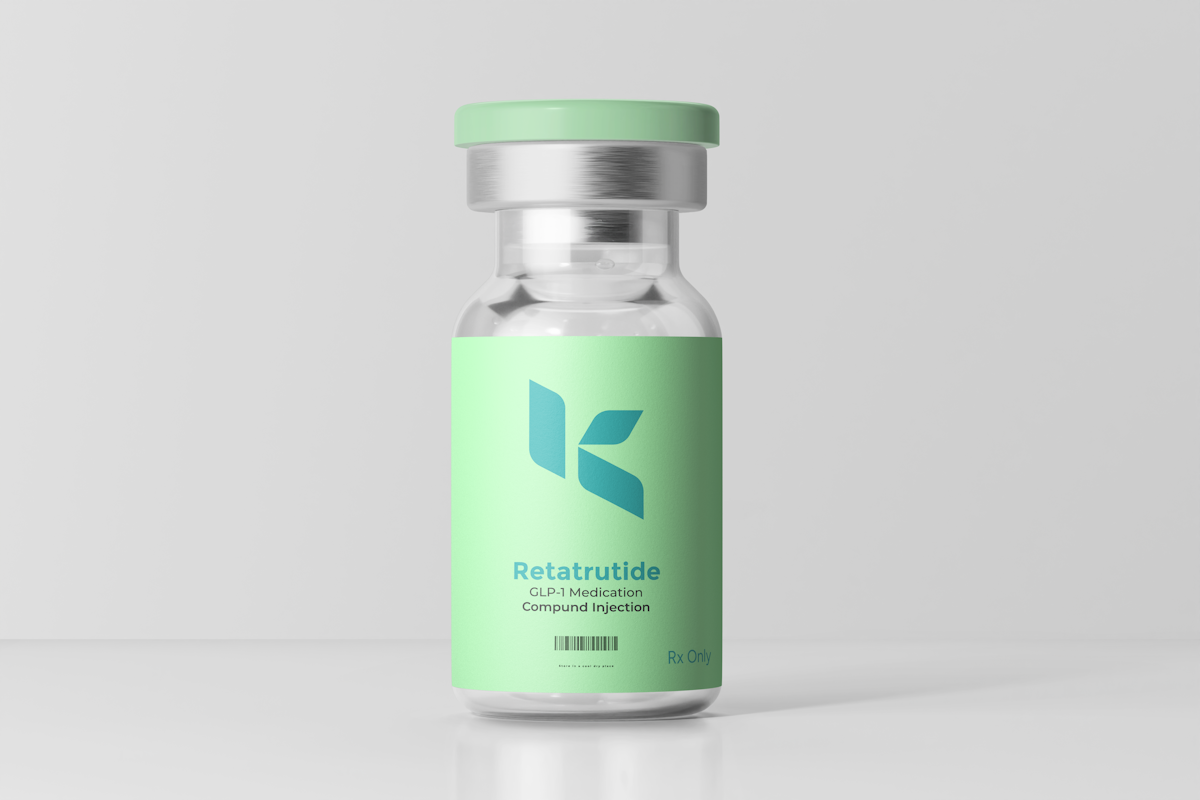
People taking 9mg lost an average of 25.9% , while those taking 4mg lost an average of 19.0%
What about retatrutide