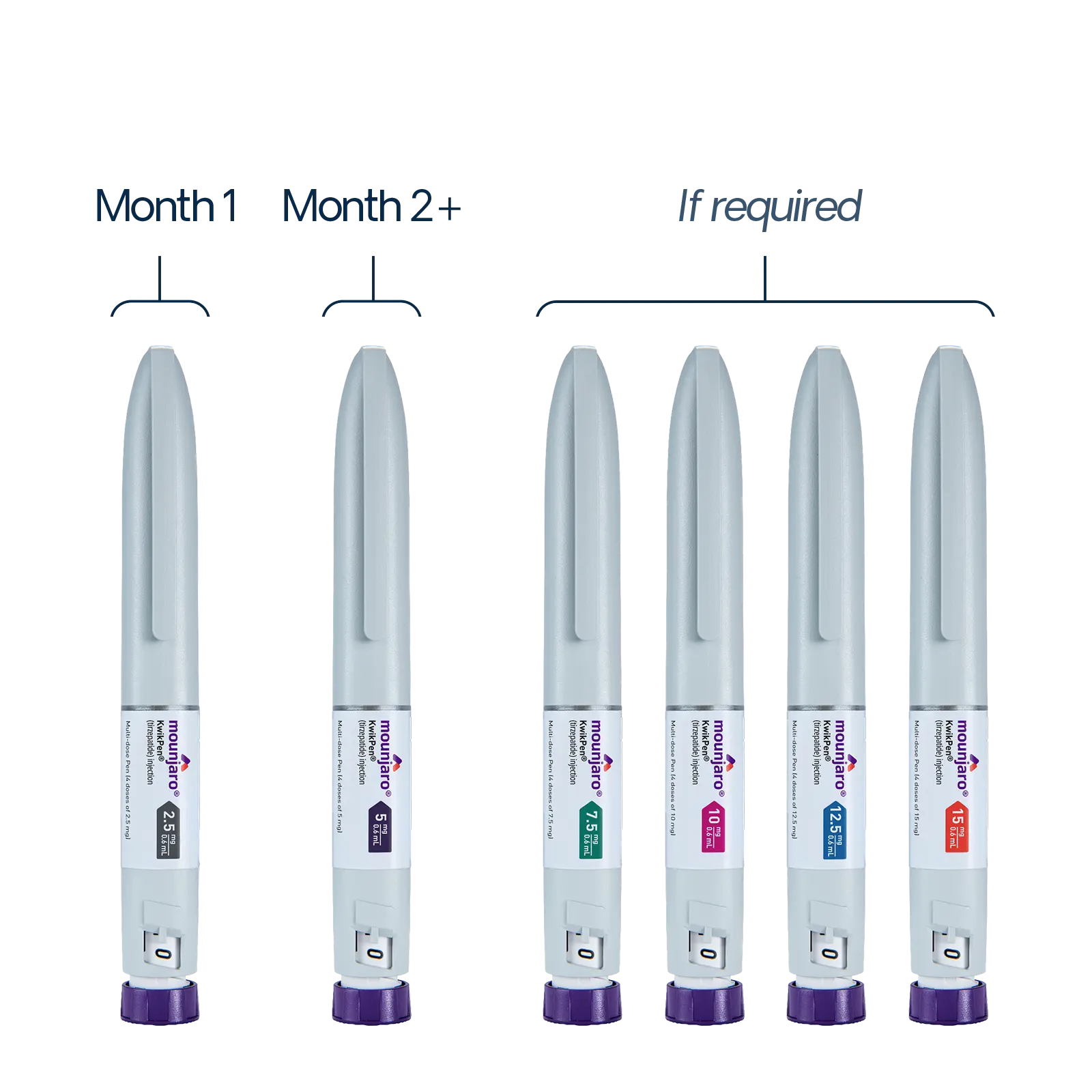
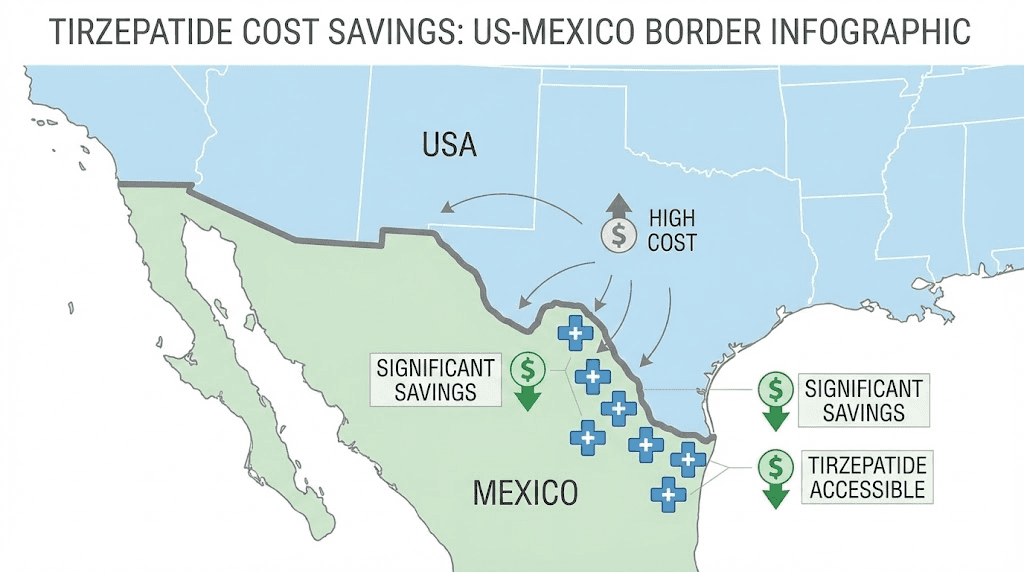
My personal experience highlights that both are potent, and understanding their individual mechanisms on your body is the first step before contemplating any combination

It means choosing carbohydrates wisely and moderating intake: Foods to Emphasize Protein sources: Chicken, beef, pork, fish, eggs, Greek yogurt Healthy fats: Olive oil, avocado, nuts, seeds, butter Non-starchy vegetables: Leafy greens, broccoli, cauliflower, peppers, zucchini Full-fat dairy: Cheese, cream, butter (in moderation) Low-carb alternatives: Cauliflower rice, zucchini noodles, almond flour, coconut flour Foods to Limit Sugars and sweets: Regular soda, candy, cookies, cakes Grains: Bread, pasta, rice, cereal Starchy vegetables: Potatoes, corn, peas High-sugar fruits: Bananas, grapes, pineapple (berries in moderation are fine) Processed foods: Chips, crackers, packaged snacks Smart Low-Carb Swaps Low Carb Cabana makes low-carb eating sustainable by providing delicious alternatives: Instead of regular bread: Low-carb bread (2-3g net carbs vs
J Nutr 1984, 114: 1853-1862
A post shared by Sanctuary Medical Aesthetic Center Boca Raton (@sanctuarymedicalcenter)