Histopathologically, this neoplasm is usually large and asymmetric with a typical trizonal pattern featuring: i) an irregular junctional component with irregular epidermal hyperplasia and areas of prevailing single cell proliferation
This leads to: More glucose remaining in circulation after meals More insulin release to compensate More energy stored as fat initially subcutaneous, but eventually as visceral fat As VAT accumulates, it drives inflammation, insulin resistance, and metabolic dysfunction creating a vicious cycle
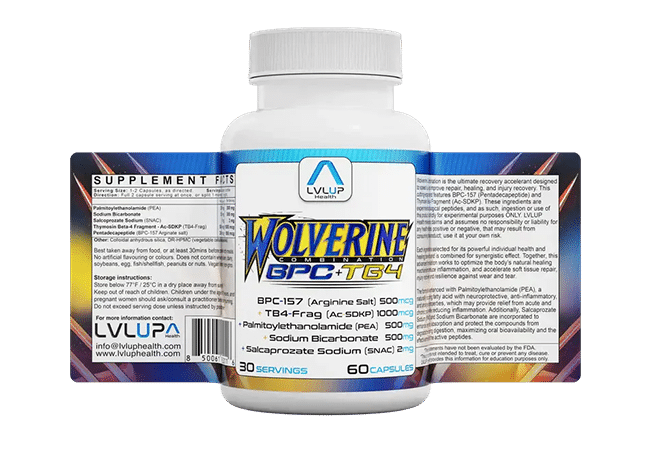
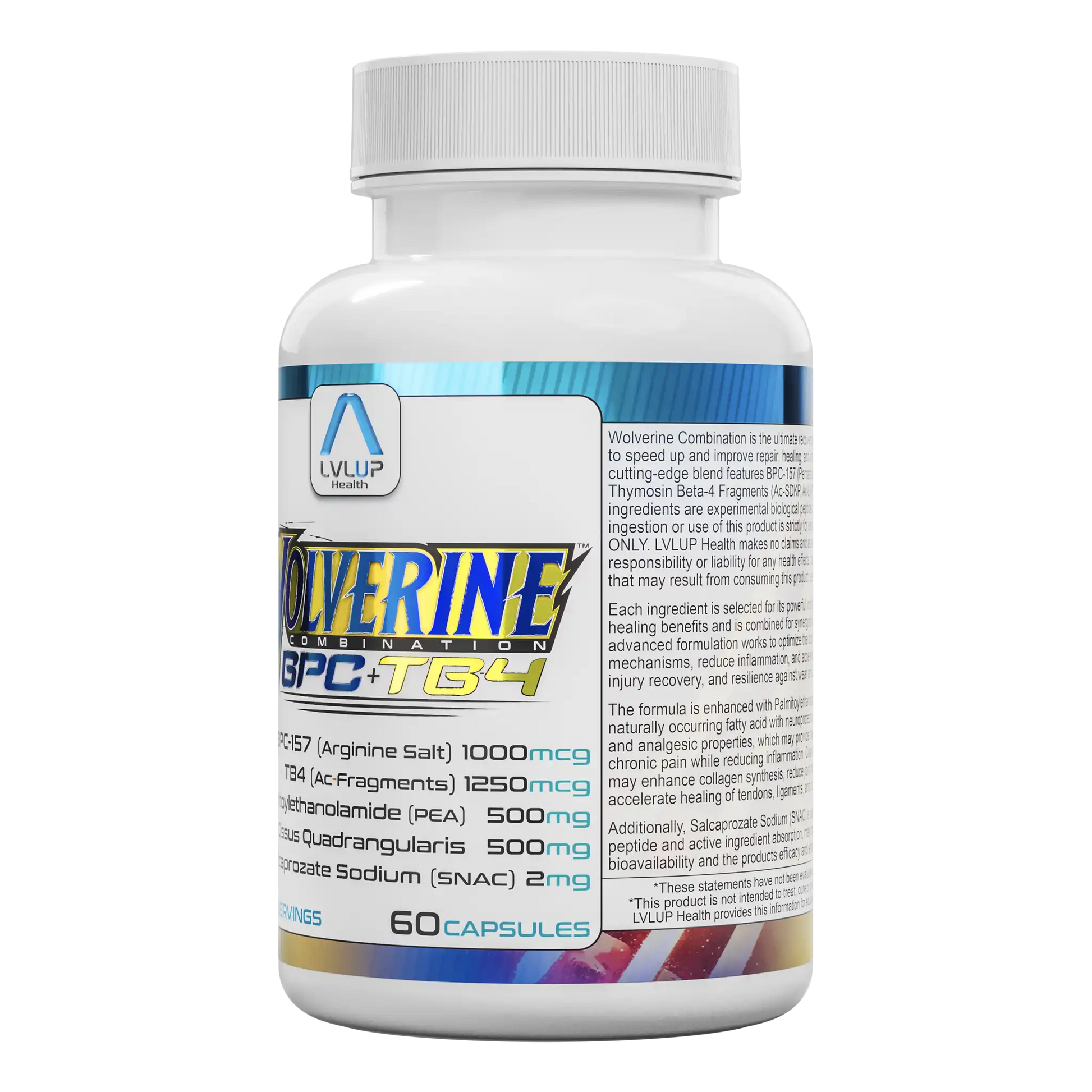
BPC-157 has been investigated for its potential to promote tendon repair, collagen organisation, and blood vessel formation, while TB500 has been researched for its ability to support cell migration and tissue remodelling
Melasma is a chronic skin condition characterised by brown or grey-brown patches, usually on the cheeks, forehead, upper lip, nose, or chin