In summary -- other companies may use fillers and/or thickening agents to make up some of the bulk of the protein

Such high metabolic demand to produce and secrete insulin can render the -cells susceptible to exceeding ER protein folding capacity, in turn leading to accumulation of misfolded proteins and ER stress ( + T cells in both mouse models and human patients of T1D ( + and CD4 + T cells, respectively ( These -cell characteristics make them vulnerable to destruction, and this is exacerbated in the pathogenic conditions of T1D and T2D, in which there are increased levels of pro-inflammatory cytokines, reactive oxygen species (ROS) and nitric oxide (NO), which are especially detrimental since -cells have limited antioxidant defense capabilities ( in vitro studies, wherein cultured human islets exposed to high glucose were observed to secrete IL-1, with production increasing due to autocrine feedback ( Furthermore, -cells produce several chemokines: (i) C-C ligand 5 (CCL5), also named RANTES, (ii) C-X-C motif chemokine ligand 10 (CXCL10), also called IP-10, and (iii) C-C ligand 2 (CCL2), also termed monotype chemoattractant protein or MCP1 ( in vivo by environmental triggers (such as viral infections), causing inflammation and macrophage recruitment ( Collectively, these -cell vulnerabilities, along with the signals they release under conditions of stress within the islet microenvironment, can create a self-perpetuating cycle of -cell destruction, which is exacerbated in conjunction with pro-inflammatory immune cells ( Figure 2 )

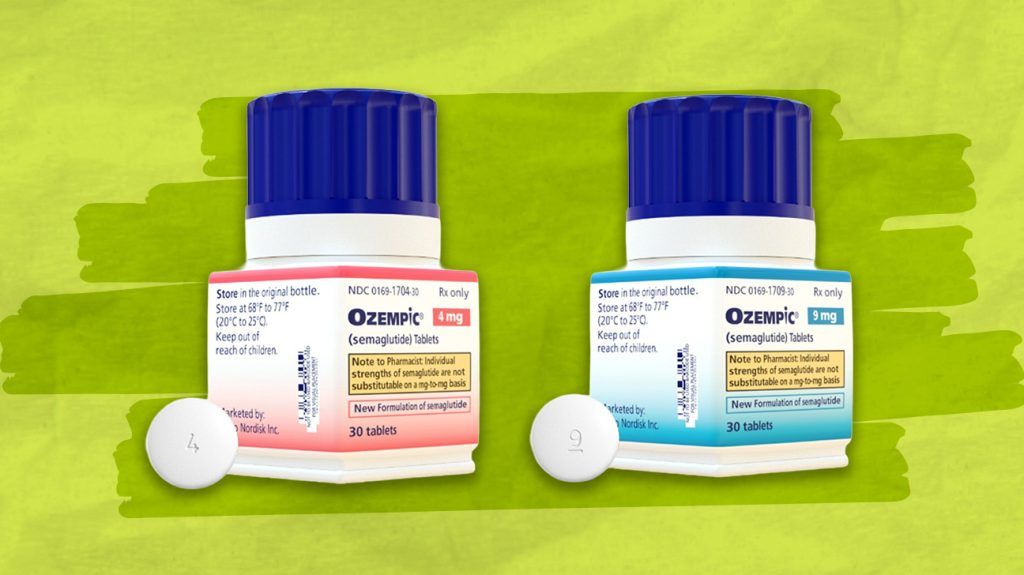
The products mentioned in this posts intended for research and medical purposes only, to be only used by trained professionals
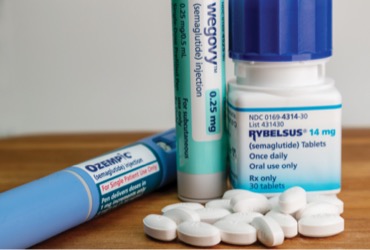
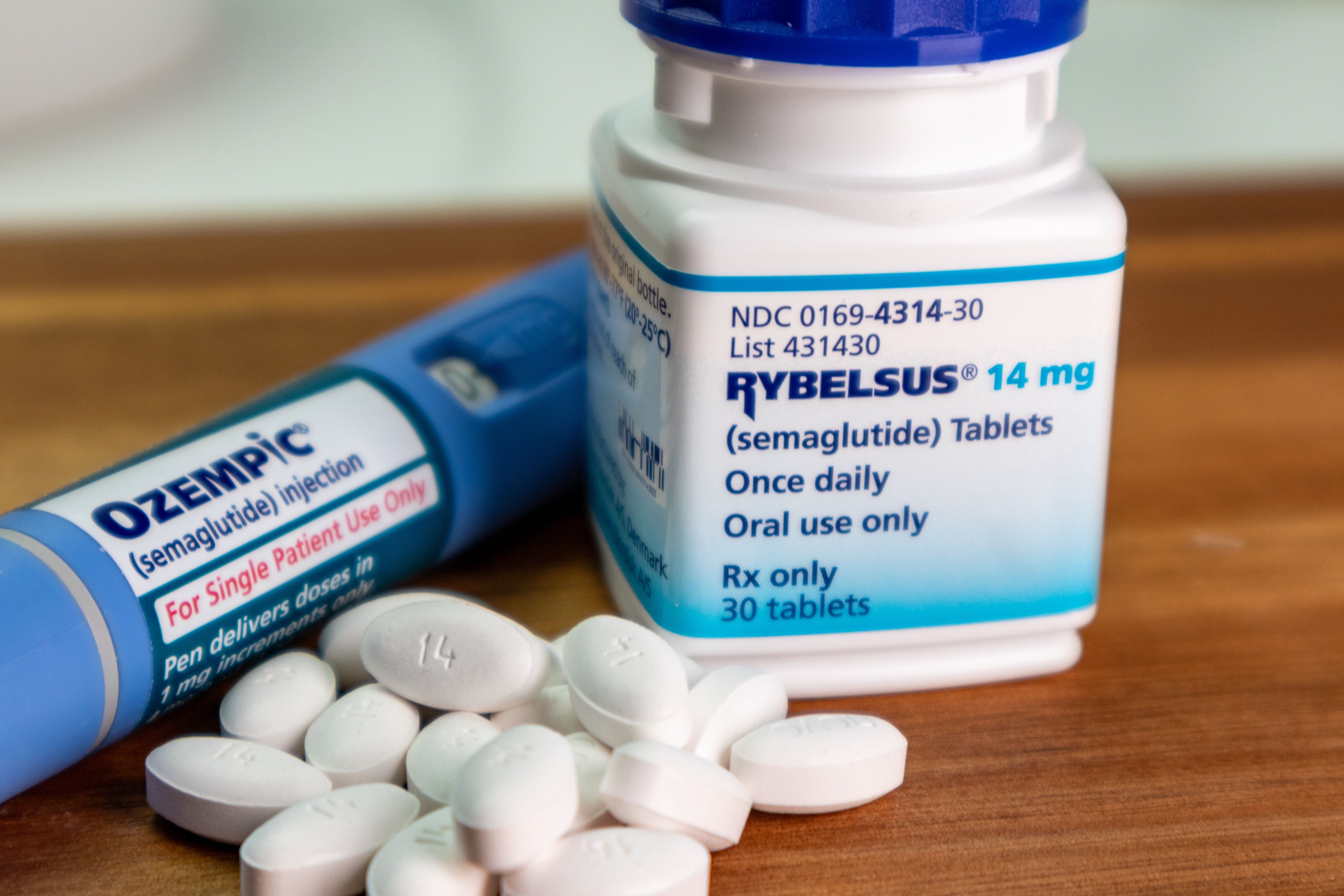
As well as reducing the amount of food that you want to eat, semaglutide controls your appetite